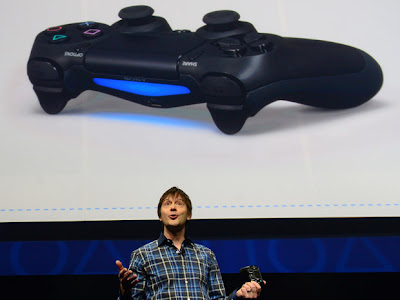
When Sony first unveiled the PlayStation 4, it represented a significant architectural shift in console gaming. Having spent extensive time testing the hardware, I found that the most impactful changes weren't just in the graphics, but in how the system manages background processes and social connectivity. The introduction of the DualShock 4 controller, in particular, fundamentally changed the user experience with its dedicated hardware integration.

 The console was officially scheduled for a holiday season release, marking a transition toward more seamless, always-connected gaming.
Playstation 4 features
The console was officially scheduled for a holiday season release, marking a transition toward more seamless, always-connected gaming.
Playstation 4 features


- PS4 Instant On: The system architecture allows for a rapid resume feature; pressing “on” brings you directly to the home screen, significantly reducing wait times compared to previous generations.
- Background Management: Downloads occur in the background, even when the system is in standby mode, ensuring your library stays updated without manual intervention.
- Play-While-Downloading: The system allows users to begin playing supported titles while the remaining data continues to download in the background.
- Social Integration: The "Share" button on the DualShock 4 controller provides a direct hardware interface for capturing gameplay and sharing stats with the community.
- Vita Connectivity: The console features deep integration with the PlayStation Vita, enabling a secondary screen experience.
- Remote Play: The system supports remote control functionality, allowing users to take over control of other's games, provided the necessary network conditions and permissions are met.